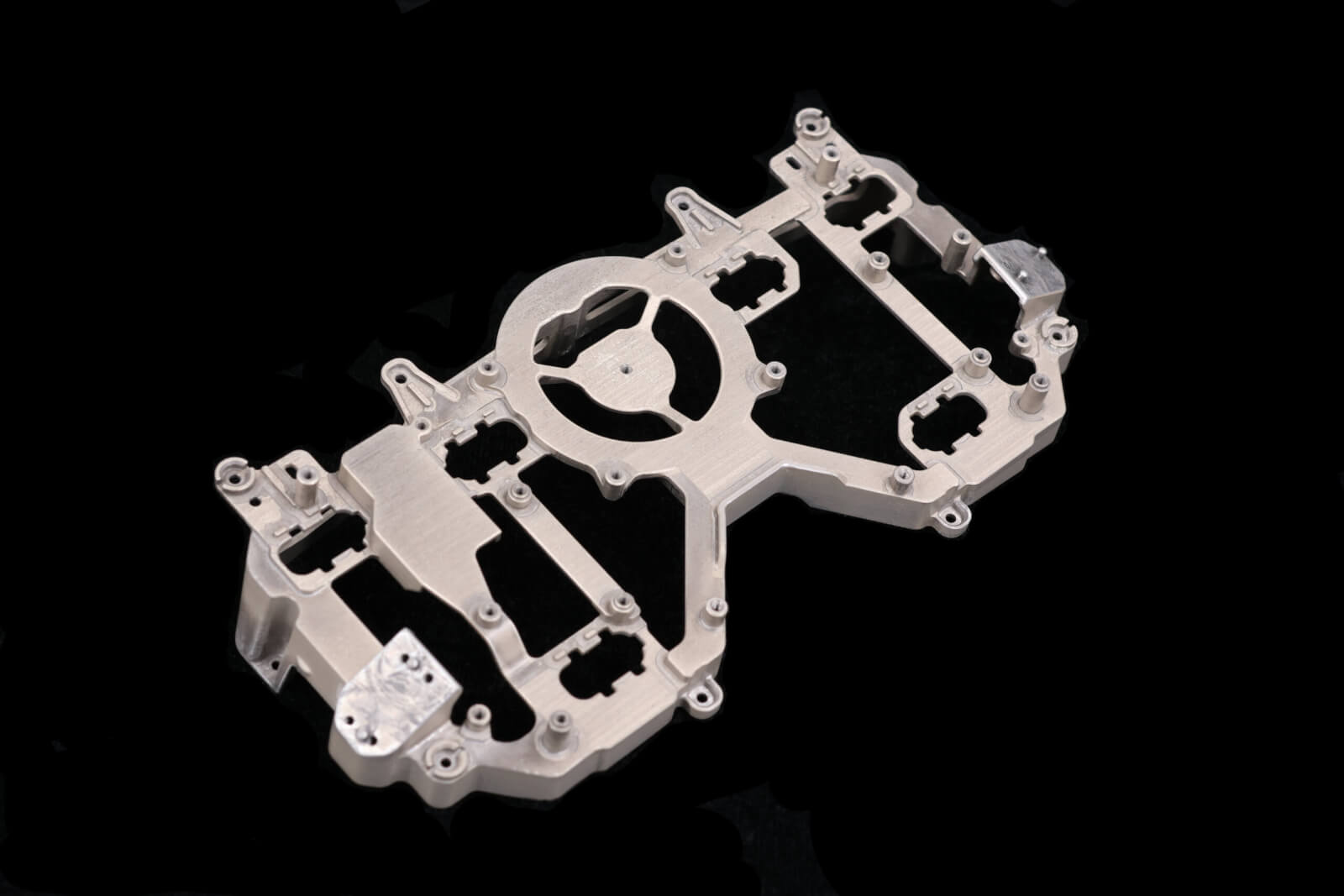
As Machined
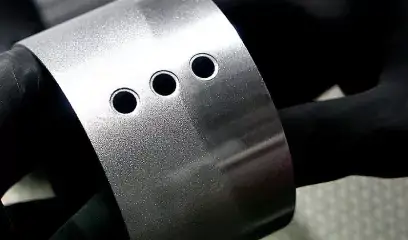
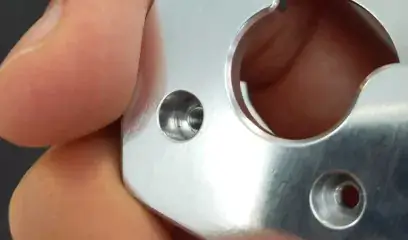
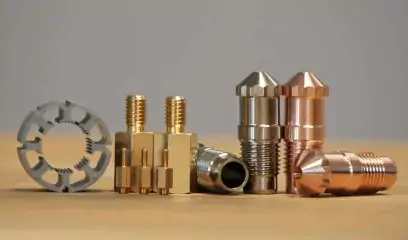
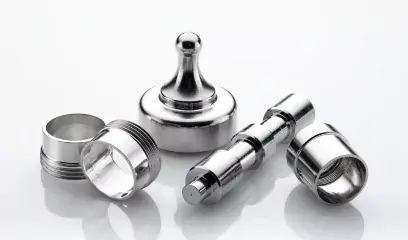
Standard finish (3.2 μm / 125 μin Ra); parts are cleaned and deburred, with no additional surface finishes applied.
KIXENER offers one-stop solutions for custom parts and surface finishing services.
15+ surface finishing options compatible with most manufacturing processes such as CNC machining, injection molding, sheet metal fabrication, 3D printing, and urethane casting.
Order Your Part ♢ All uploads are secure and confidential. Response within 10 hours.
Standard or minimal surface treatments used to clean, smooth, or prepare parts for further finishing.
Standard finish (3.2 μm / 125 μin Ra); parts are cleaned and deburred, with no additional surface finishes applied.
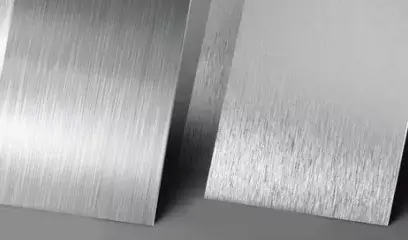
Sanding uses abrasives to remove imperfections, smooth edges, and prepare surfaces for finishing.
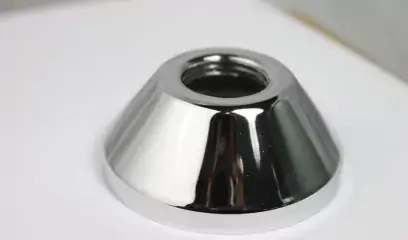
Polishing uses abrasives or compounds to reduce roughness and create a smooth, reflective appearance.
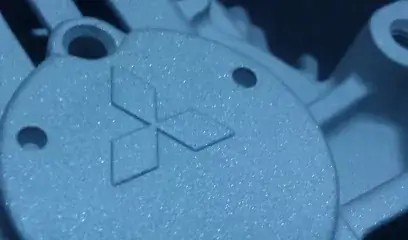
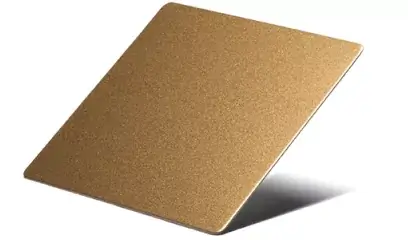
Abrasive blasting processes that remove surface contaminants and create uniform, textured finishes.
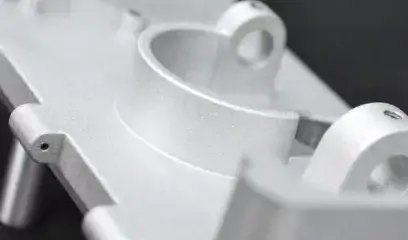
Using compressed air to blast abrasive media effectively removes rust, scale, and surface contaminants.
Small glass beads or abrasive materials blast surfaces at high pressure, ensuring gentle cleaning and a uniform finish.
Protective or decorative layers are applied to the parts to enhance durability, corrosion resistance, or appearance.
A dry powder is electrostatically applied and cured under heat to form a durable, uniform, and colored finish.
Painting applies liquid coatings to material surfaces for protection, aesthetics, or functional finishes.
E-Coating uses an electrically charged bath to deposit a uniform, corrosion-resistant paint layer onto metal surfaces.
Metallic coatings are deposited via electroplating to resist rust and improve aesthetic appeal.
Electroplating deposits a metal coating onto a conductive surface using an electric current. Commonly used metals include nickel, zinc, and chrome.
Also known as electrogalvanizing, this process applies a thin zinc layer via electroplating to prevent corrosion and enhance appearance.
Nickel plating deposits a thin layer of nickel onto metal surfaces. Available as electrolytic or electroless plating.
Chemical surface treatments that modify metal surfaces for enhanced corrosion resistance and performance.
Anodizing thickens the metal’s oxide layer, enhancing corrosion resistance and enabling optional coloring. Types 1, 2, and 3, along with Chemical Film/Alodine.
Chemically removes free iron and contaminants from metal surfaces, enhancing corrosion resistance.
A chemical surface treatment for aluminum and magnesium alloys that improves corrosion resistance and paint adhesion.
Creates a thin black oxide layer on ferrous metals to enhance corrosion resistance and prevent oxidation.
All information and uploads are secure and confidential.
Get Instant Quote