Custom Mold Making Services

  • Injection Mold & Die-Casting Mold
  • Low-Volume & Mass Production
  • Precision Mold Making for Industrial Applications
Start to Upload Your Files ♢ All uploads are secure and confidential.
Custom mold making
ISO9001:2015 Certified
50+Rapid tooling monthly
100+Materials
10K+Moldings monthly
Trusted by
companies like
ATS TW JK HT JA TH ZT HY JC
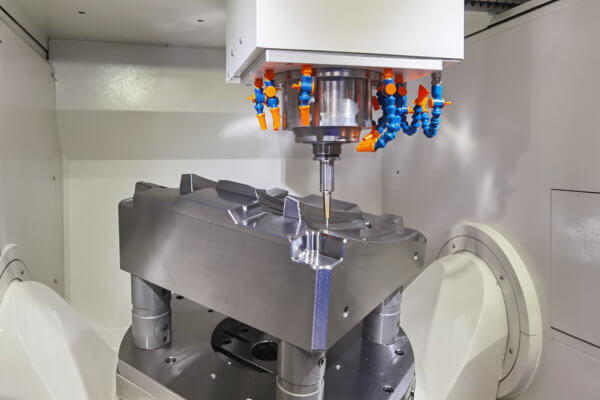
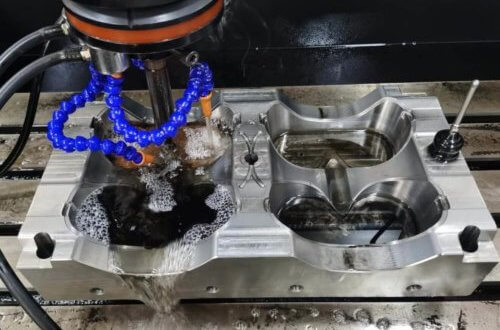
CNC machining a metal injection mold cavity

Custom Injection Mold Making for Prototype to Mass Production

With mold making facilities in house and resources from our partners, we are able to provide plastic injection molds for both rigid plastics and rubbers, metal injection molds for all types of precision stainless steel parts, and pressure die casting molds for aluminum, magnesium and zinc. We offer low-cost local production molds and high-quality exported molds for all your project needs.

Whatever you need prototype molds for the short-run production, or mass production molds for millions shots, KIXENER can handle them for you smoothly.

Rapid tooling

Rapid Tooling

It allows quick testing of your product before full-scale production. Using soft tooling made from aluminum molds, this method offers faster fabrication and lower costs than traditional steel tooling. Ideal for prototypes, small batches, design validation, and market testing, rapid tooling helps accelerate product development cost-effectively.

Rapid Tooling Services ›
Production tooling

Production Tooling

It is built for long-term, high-volume manufacturing. Made from durable tool steel, these molds endure millions of cycles, ensuring dimensional stability and surface quality. Ideal for mass production, production tooling is the most cost-effective solution for consistent, high-quality parts.

Request A Quote ›

Custom Mold Types We Manufacture

Plastic injection molds

Plastic Injection Molds

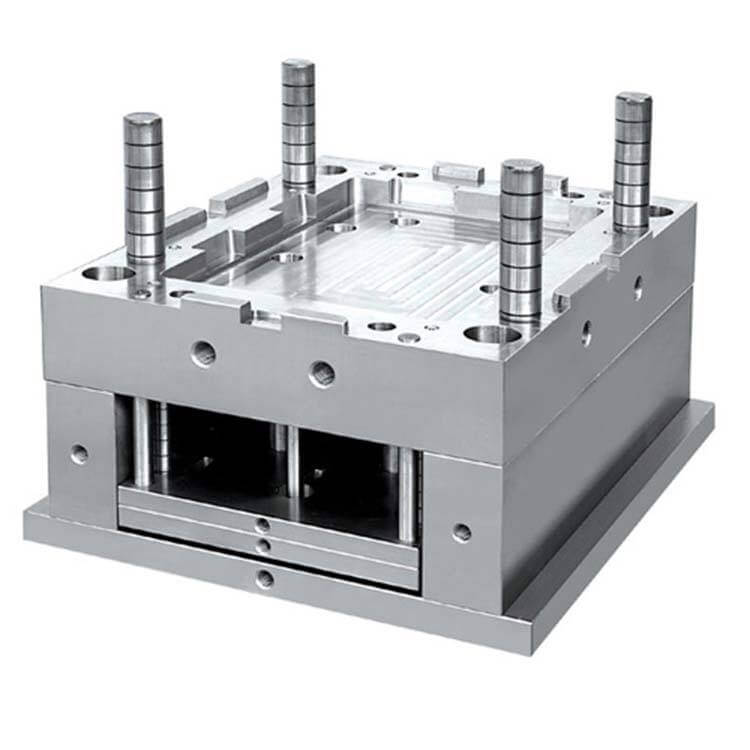
Plastic injection molds are aluminum or steel molds used to make parts from a wide range of plastics, including nylons, acrylics, elastomers, and reinforced materials like glass-filled polyamide. Custom plastic molds typically can last between 100,000 and 1,000,000 shots.

Metal injection molds

Metal Injection Molds

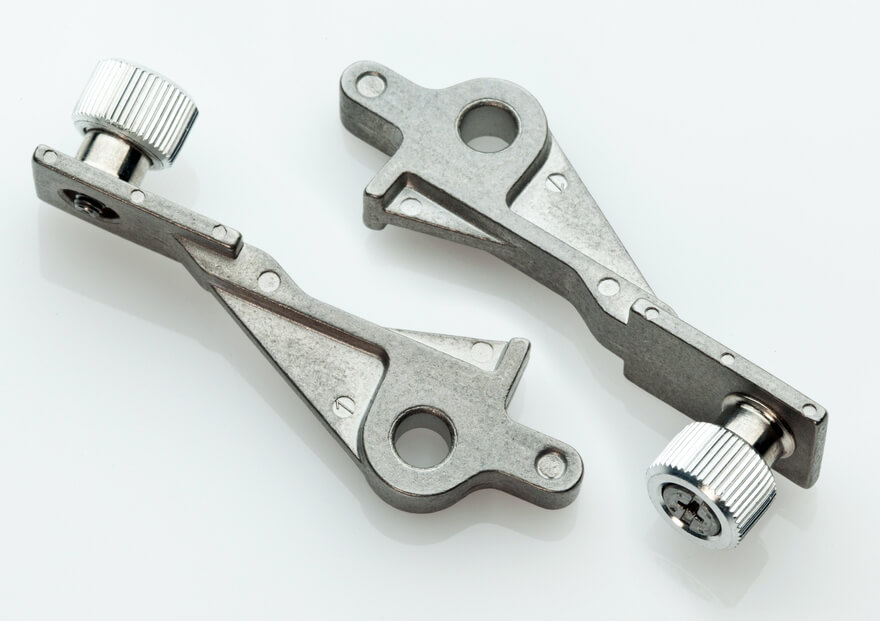
Metal injection molding (MIM) uses a feedstock made of fine metal powder and binder, injected into precision molds. A metal injection mold is usually made from tool steel to withstand the metal injection, but we can also use aluminum.

Die casting molds

Die Casting Molds

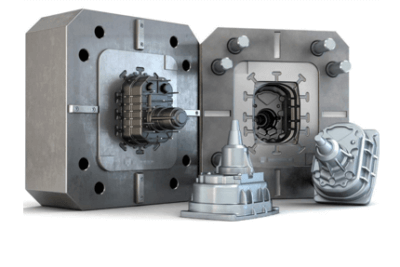
We offer durable die casting molds made from hardened steel, which are suitable for producing parts from aluminum, zinc, magnesium, and other non-ferrous metals. In addition to mold making, we also provide low-volume die casting production through our trusted partners.

Investment casting molds

Investment Casting Molds

We can make low-cost investment casting molds by 3D printing a wax pattern and surrounding it with ceramic. These molds are ideal for casting metal parts from aluminum, zinc, magnesium, stainless steel, and other alloys at a lower cost.

Extrusion dies

Extrusion Dies

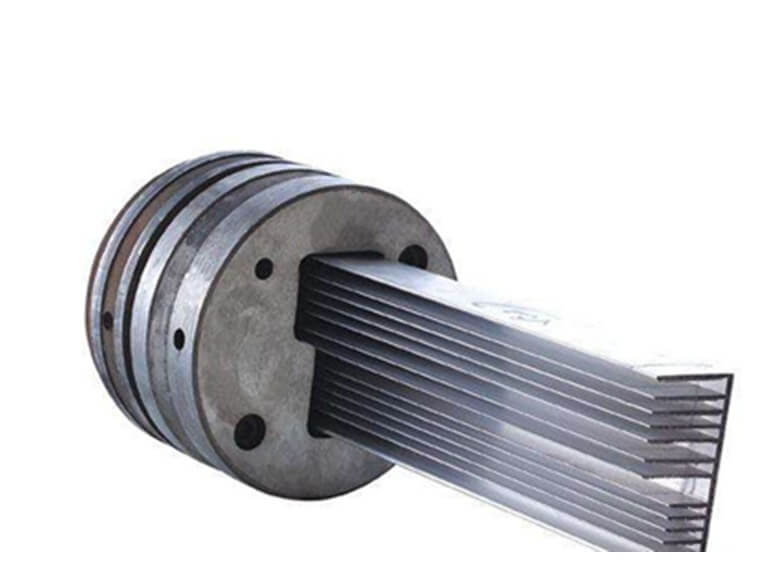
We manufacture metal dies for aluminum extrusions, commonly using alloys like 6061 and 6063. We also make dies for plastic extrusions of materials like polystyrene, nylon, polypropylene, and polythene.

Sheet metal stamping dies

Sheet Metal Stamping Dies

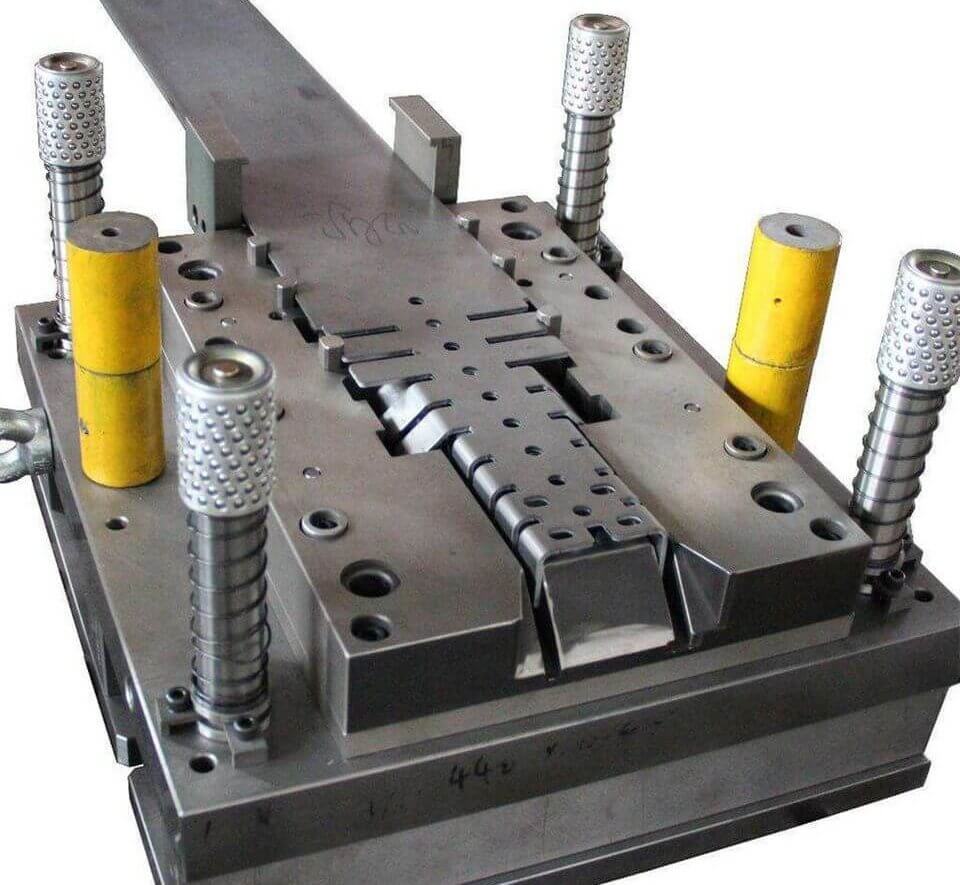
Sheet metal stamping dies are typically made from hardened tool steels such as SKD11/D2 or DC53 (for improved toughness). It ensures resistance to high-impact forming and wear during mass production.

SPI Mold Classification for Injection Molds

We manufacture custom injection molds based on SPI mold classification standards, offering solutions from rapid prototype tooling to high-volume production molds. Our engineering team helps select the right mold class based on production volume, material requirements, and expected tool life.

SPI Mold ClassificationExpected Tool LifeInvestmentApplication
Class 101 Mold1,000,000+HighestMass production (e.g., automotive, appliances)
Class 102 Mold1,000,000HighConsumer goods, industrial parts
Class 103 Mold500,000ModerateElectronics, medical devices
Class 104 Mold100,000Low to ModerateLow-volume manufacturing, prototyping
Class 105 Mold500Low-costRapid prototyping, short-run production

Materials Used for Custom Mold Making

Material NameMaterial Composition and Detailed Description
Aluminum2024/7075/6061 alloys, excellent machinability & thermal conductivity. Suitable for low to medium volume production (up to 50k cycles). Lighter weight enables faster production cycles.
PlasticNylon (wear-resistant), ABS (low-cost), Polypropylene (chemical-resistant). Ideal for rapid prototyping or short-run testing.
Tool SteelH13 (die casting), S7 (impact-resistant), D2 (high-wear stamping). For high-volume production (500k+ cycles) with precision.
Stainless Steel410/420 grades offer corrosion resistance. Essential for medical/food-grade molds requiring polished surfaces.

How to Choose the Right Mold

Choosing the right mold type depends on your production volume, part complexity, material, and budget. Key factors to evaluate include expected mold life in shot count, tolerance requirements, unit cost at your target volume, and lead time from design to first article.

Below is a quick comparison of the most common mold categories to help you identify the best fit for your project.

  • Plastic injection molds are ideal for high-volume thermoplastic parts with tight dimensional repeatability.
  • Die casting molds suit non-ferrous metal components requiring excellent surface finish and structural integrity.
  • Metal injection molding bridges the gap for small, complex stainless steel or alloy parts that need near-net-shape accuracy.
  • Investment casting molds offer a lower tooling cost entry point for metal parts with moderate complexity.
  • Extrusion dies serve continuous-profile applications in both aluminum and plastic.

Injection Mold Making Process

Mold making is a complex process that requires a high level of skill and experience. Although each case is different, a typical order for a set of molds may go something like this:

1

DFM

As soon as the customer confirms the order of molds, we will start to do an initial analysis of the parts to get an idea of the part line, gate positions, etc.

2

Mold design and mold flow analysis

The second step involves the use of predictive modeling software which allows us to see how the molten material will behave when it enters the mold, allowing for further improvements to the design.

3

CNC machining and EDM

We make the first molds using high-quality machining equipment, with the plastic, steel, aluminum, etc. chosen by the customer.

4

T1 sample

With the newly made molds, we make a T1 sample to have a clear vision of how the customer’s final molded parts will turn out.

5

Improvement if necessary

Based on our analysis of the T1 sample, we review the mold design and make any adjustments needed.

6

Commence production and shipping

We manufacture the molds in accordance with the final specifications before shipping them to the customer.
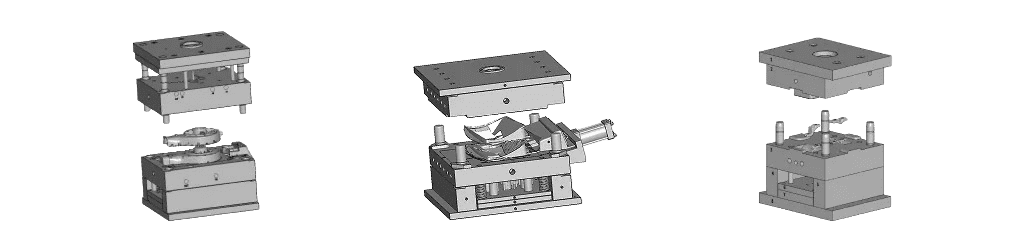
Custom Mold Making Projects for Various Industries

Safety glasses mold

Safety Glasses Mold

This is a 4 cavities mold we made for PU glasses injection molding. To protect people being infected during the critical time. We finish the mold within 10 days instead of 4 weeks.

Big car component mold

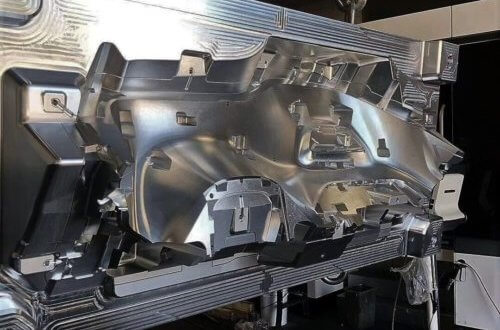
Big Car Component Mold

One of our advantages is that we are able to make large size of molds from our CNC and EDM machines, and get the moldings done from our 1500 ton molding machines.

Precision reflector mold core

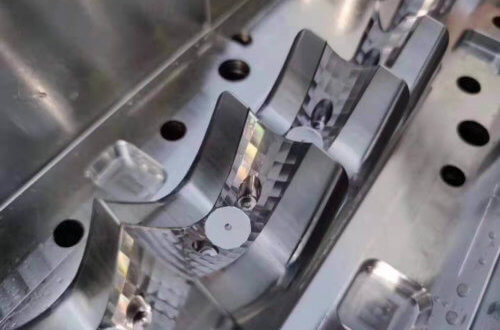
Precision Reflector Mold Core

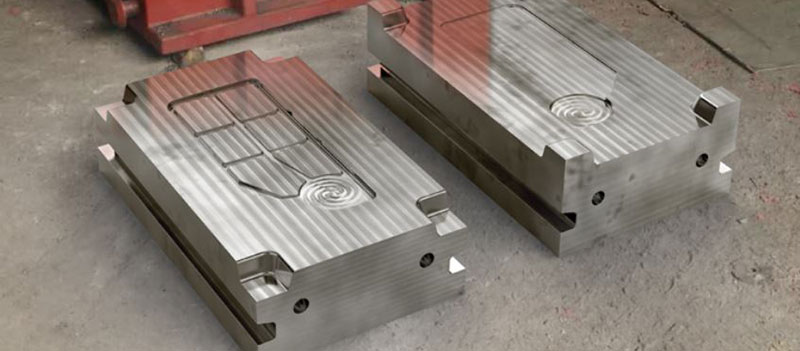
For optical injection molding applications, the surface quality of the mold core directly affects the final part performance. Using high-speed CNC machining, we achieve high-gloss reflector mold cores with precise geometry and superior surface finishes.

Why Choose Our Custom Mold Making Services

01

Fast DFM reports

Although we check your design feasibility when providing a quote, we can provide a fast and thorough DFM report before production begins. In the DFM report, we’ll identify any errors or issues that might cause a manufacturing problem down the line.

02

Comprehensive mold options

From plastic injection molds to die casting and metal injection molds, we provide a wide range of tooling solutions and precise tolerances to meet your needs. This allows you to consolidate all your mold-making needs with one reliable partner.

03

Quick turnaround times

Our large facility and machining capabilities allow us to build molds quickly, whatever the application or material, which means you can get your moldings completed faster.

04

Full production support

In addition to mold fabrication, we provide injection molding services. Whether you need functional prototypes or end-use parts, we can handle the full process.

A customer’s words mean more than ours

See what our satisfied customers have said about how we fulfilled their requirements.

Thanks to KIXENER's 5-axis machining capabilities, we’re able to push the limits on our uprights and wheel package designs for maximum performance. Their bespoke and rapid manufacturing services allowed us to complete our project on time and ahead of schedule.

FSAE School of Engineering

My prototype from KIXENER arrived earlier than expected with outstanding quality. Their manufacturing standards and machining precision are impressive. They provided excellent customer service and clear communication. Highly recommended.

Trent L.

KIXENER delivered high-precision parts for our low-volume project with excellent lead time and competitive pricing. Communication with them was fast and helpful, and the team even provided useful design feedback. All parts worked perfectly.

Sivan S.

KIXENER has been our top source for CNC parts. Even complex 5-axis CNC machining projects delivered excellent results. The team provides high-quality parts, fast production, anodizing and laser logo services, and reliable communication.

T. J.

Mold Making FAQs

Mold making, or tooling, is designing and building precise metal molds used in manufacturing methods like injection molding, die casting, and compression molding. These molds are essential for producing high-quality parts at scale. You typically need mold making when you're ready to move from prototypes to full production, especially after testing your design and validating the market.

Generally speaking, making plastic or metal molds (and moldings) is cheaper in China than other countries. But shipping costs should also be considered: you will need to use air freight if you have a tight schedule; sea freight is much cheaper, but will usually take 40 days or more.

The cost of a custom mold depends on the mold type, complexity, material, number of cavities, and required tolerances. Prototype aluminum molds for short runs are significantly more affordable than hardened steel production molds designed for millions of cycles. Contact our team with your part design for a detailed quote.

Lead time varies based on mold complexity, material selection, and current production schedules. Simple prototype molds can be delivered in as few as ten business days, while complex multi-cavity production molds may require several weeks. We provide estimated timelines with every DFM report.

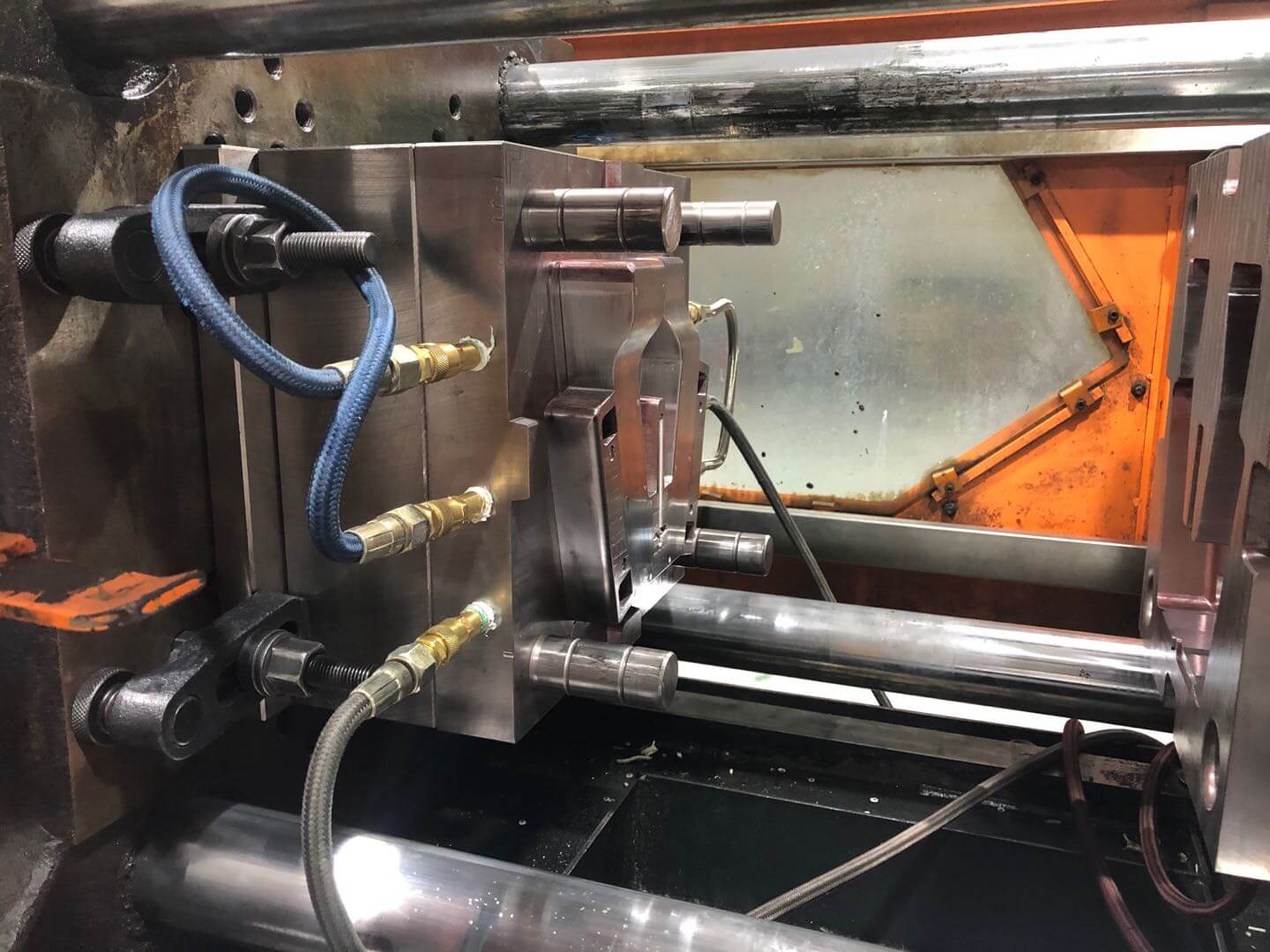
A well-made, fully harden steel mold may be used for up to a million shots or injections, depending on the mold shape and injection material. Aluminum molds are less durable, which is good for short-run production with tight schedule.

Put your parts into production today

All information and uploads are secure and confidential.

Get Instant Quote
1Upload 2Quote 3Confirm 4Ship