
V-Bending
This is a widely used method where the sheet metal is bent using a V-shaped die and punch.
 ISO9001:2015 Certified
 MaterialsMetals & Alloys
 ±0.1 mmTight Tolerances
 5-dayFast Turnaround








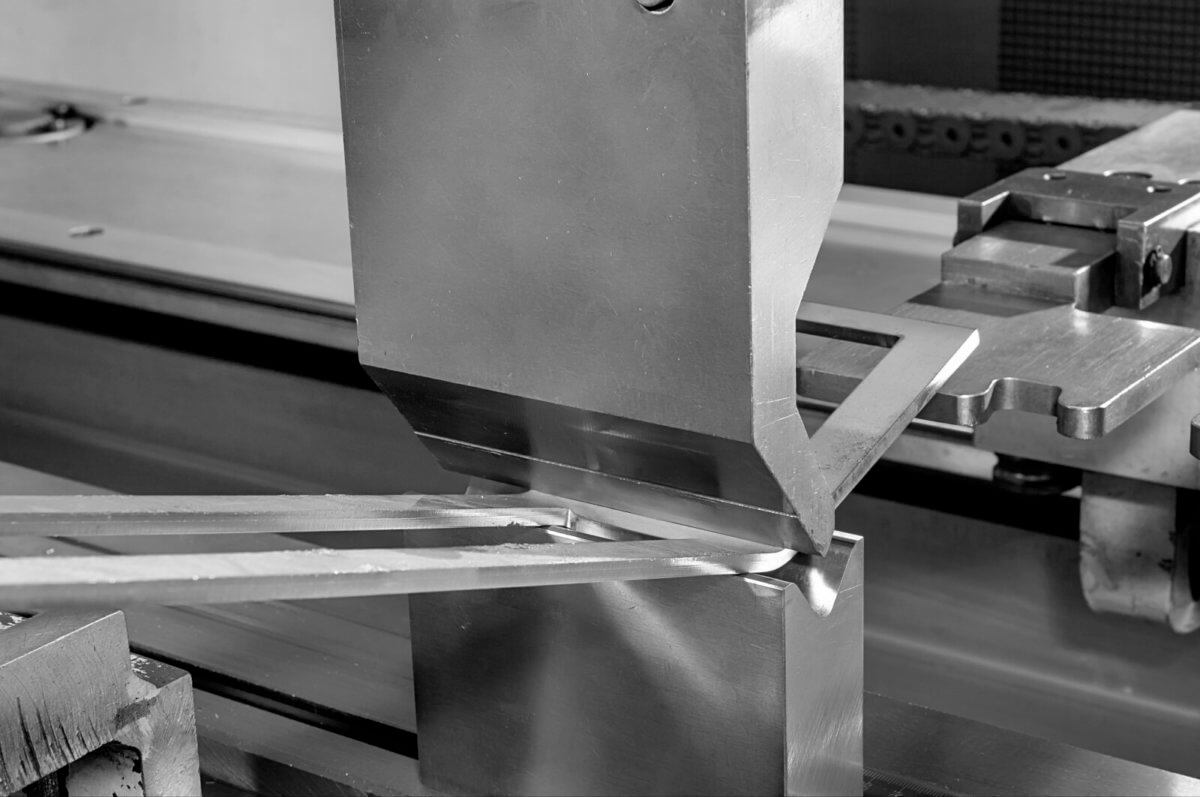
Metal bending is a sheet metal forming process where force is applied to shape materials like stainless steel, structural steel, or aluminum into specific angles, typically forming a “V” or “U” shape. This process produces bent sheet metal parts with permanent angles. Typical bending machines include press brakes, rollers, and other precision equipment.
There’s more than one way to bend sheet metal, and each method comes with its strengths. Some are great for tight angles, others for high volumes. Here’s a quick overview to help you find the right fit for your project.
This is a widely used method where the sheet metal is bent using a V-shaped die and punch.
Air bending is most widely used, leaving a gap between the sheet and die, allowing for more flexibility in bend angles.
The metal is pressed fully onto the bottom of the die, creating a sharp, defined bend and reducing spring back.
Coining uses extreme pressure to create very precise, clean bends, often used for small, intricate parts.
Unlike V-bending, it forms parallel walls and a flat base. It's mainly used for channels, brackets, and enclosures requiring consistent depth and angle control.
This method uses rollers to gradually bend the metal, commonly used for creating curved shapes or cylinders.
This technique uses rotating dies or rollers to create bends, particularly for round or spiral shapes.
Step bending involves creating a series of bends at different angles in succession, forming a step like-pattern, to achieve a larger radius.
KIXENER partner with trusted metal bending shops equipped with a wide range of bending machines, capable of handling everything from thin sheets to thick plates with high precision. Our facilities are equipped to meet the demands of most standard industrial applications. All parts receive full post-processing and are delivered ready for use.
| Machine Type | Description |
|---|---|
| CNC Press Brake | High-precision bending for aluminum, stainless steel, carbon steel, and brass sheets. |
| Hydraulic Press Brake | Heavy-duty bending for thick steel plates, iron sheets, and stainless steel panels. |
| Servo-electric Press Brake | Fast, energy-efficient bending for thin aluminum, copper, and stainless steel sheets. |
| Manual Pan Brake | Quick bending of light-gauge aluminum, galvanized steel, and soft metal panels. |
| Rotary Bending Machine | Smooth, mark-free bending for polished aluminum and stainless steel sheets. |
| Automated Panel Bender | High-speed panel bending for large aluminum, steel, and stainless steel enclosures. |
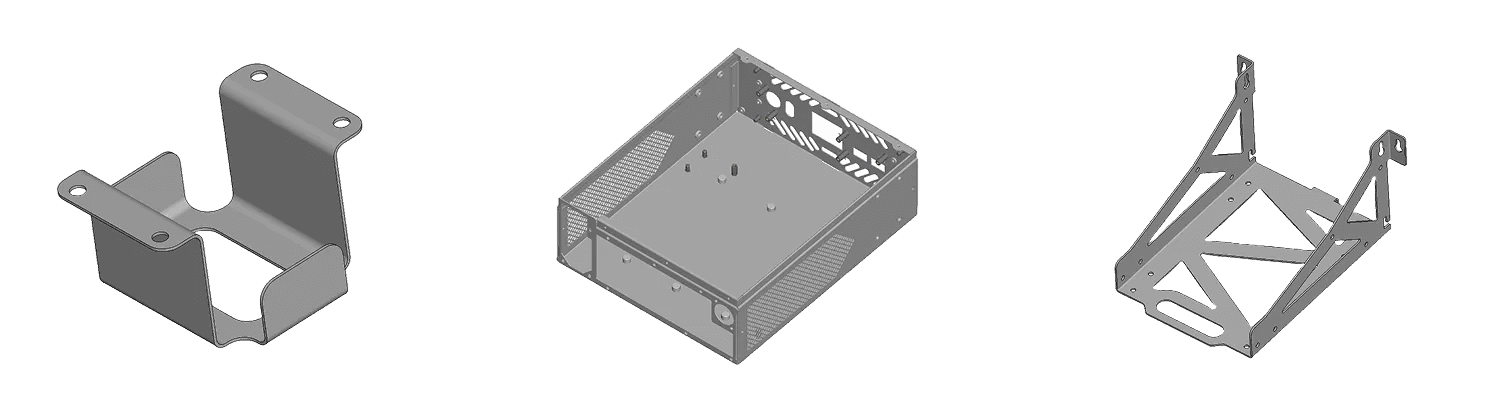
Sheet metal bending creates diverse shapes, from simple brackets to complex parts. It reduces part count, enhances aesthetics, and suits various industries and design needs.
Metal bending strengthens sheet metal parts by reinforcing edges without adding weight, resulting in durable, high-performance components with excellent mechanical properties.
CNC sheet metal bending reduces material waste, welding, and assembly. It ensures fast, precise production for prototypes and large runs, lowering costs and speeding up delivery.
Sheet metal bending supports materials like aluminum, stainless steel, carbon steel, and copper, making it ideal for automotive, aerospace, consumer goods, and industrial equipment.
Our sheet metal folding services cater to a broad range of sheet and plate materials. Each material provides unique benefits in terms of shaping, strength, and suitability for different applications.
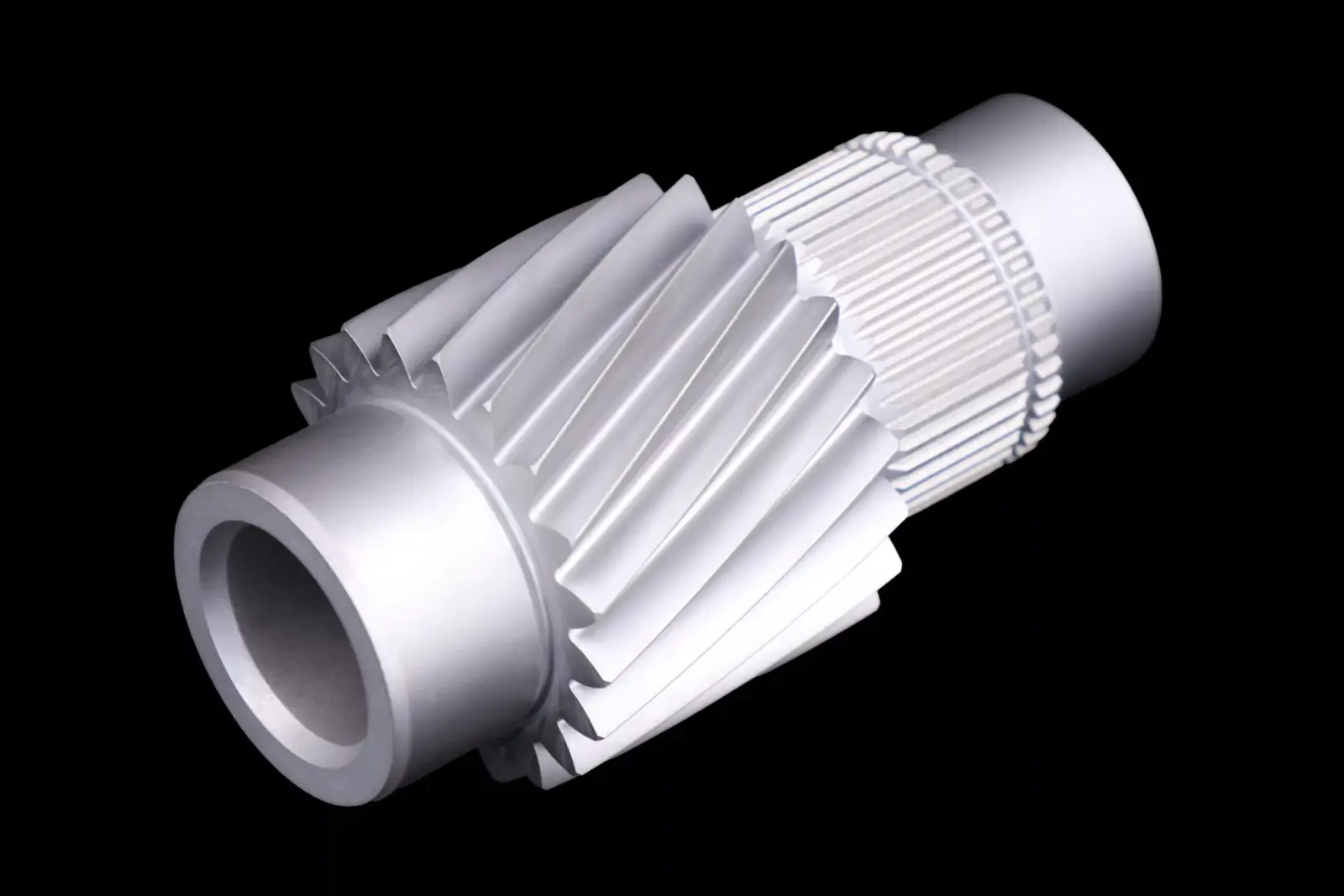
It has an excellent balance of strength, ductility, and affordability. Easily formed using standard press brake, making it ideal for structural frames, brackets, and machine components.
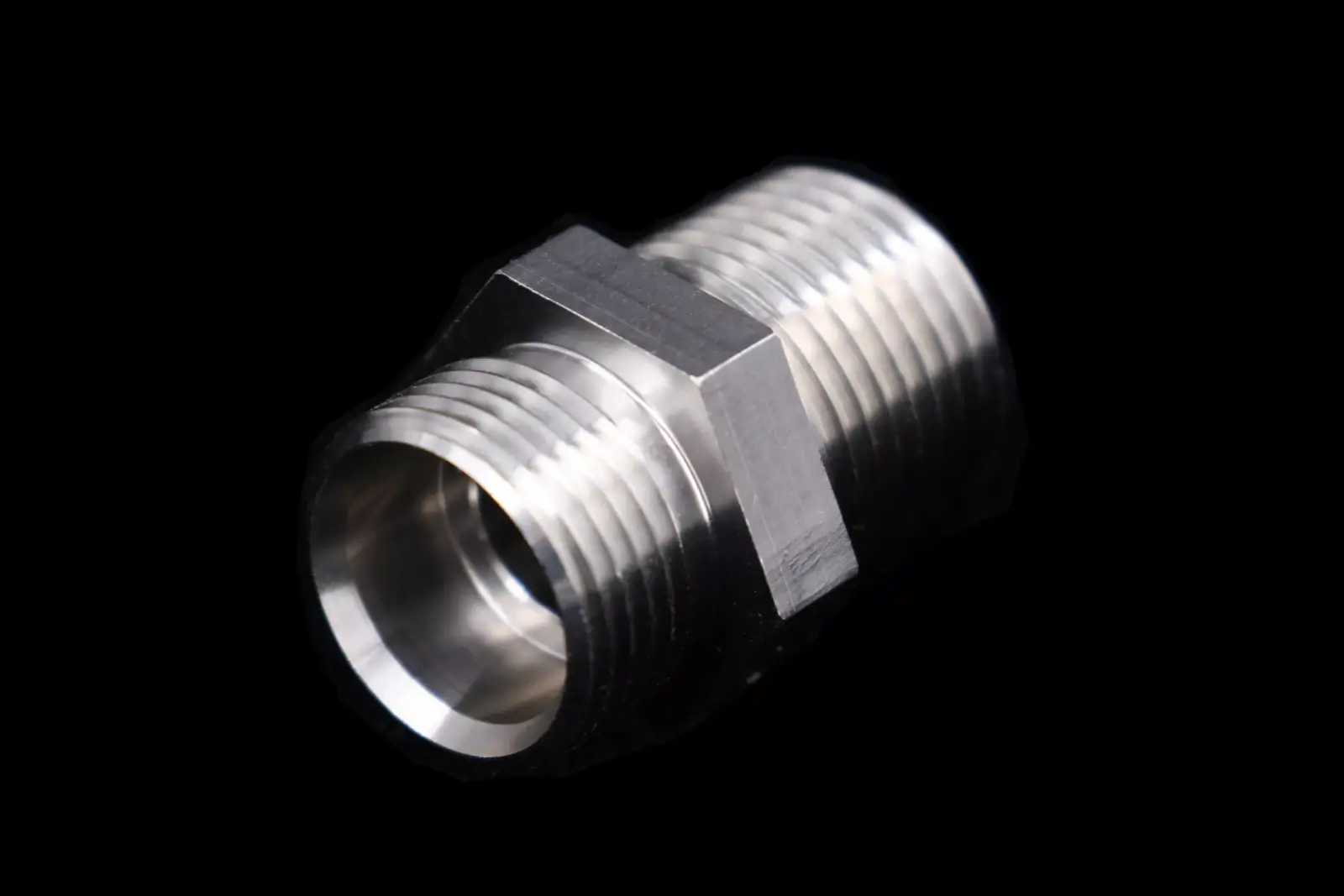
Offers high strength and corrosion resistance, but typically requires greater bending force and tighter control of springback. Commonly used grades are 304 and 316.
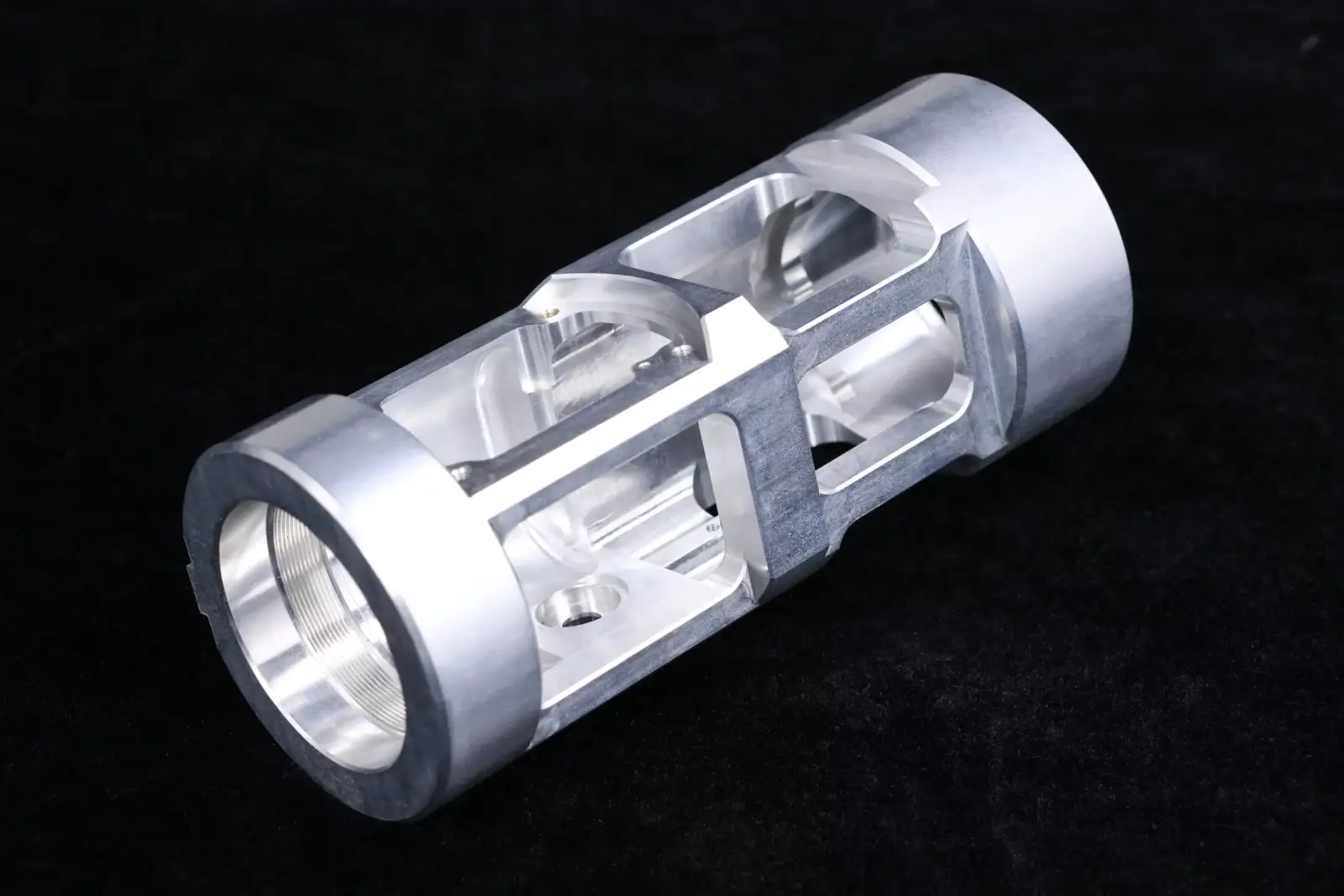
Lightweight and corrosion-resistant; 5052 bends easily, 6061 is harder and may crack. Aluminium sheet metal is ideal for aerospace, marine, and automotive panels.
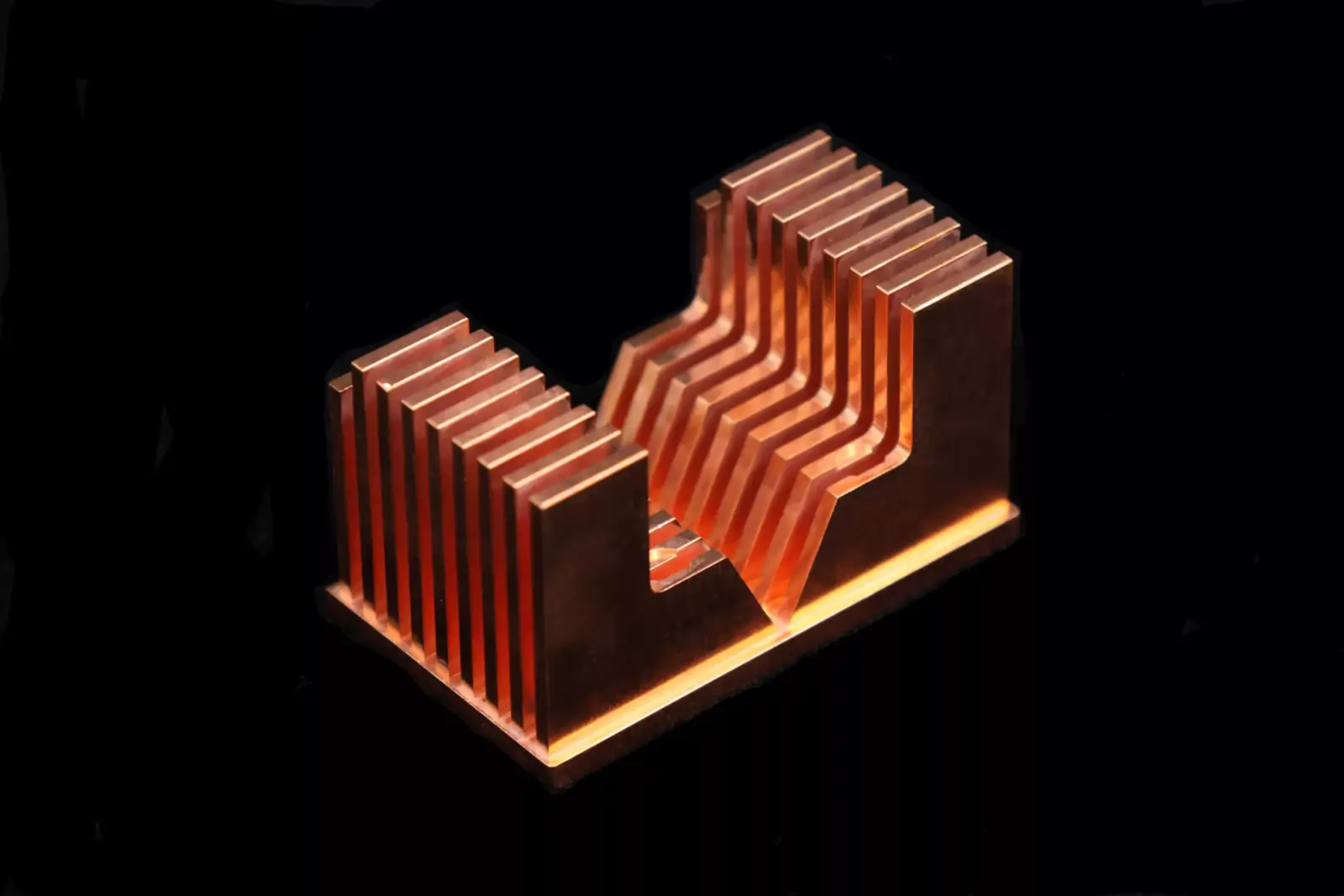
Extremely ductile and easy to bend, even with manual tools. Excellent for tight-radius bends and detailed shapes. Commonly used in electrical busbars, connectors, and decorative architectural elements.
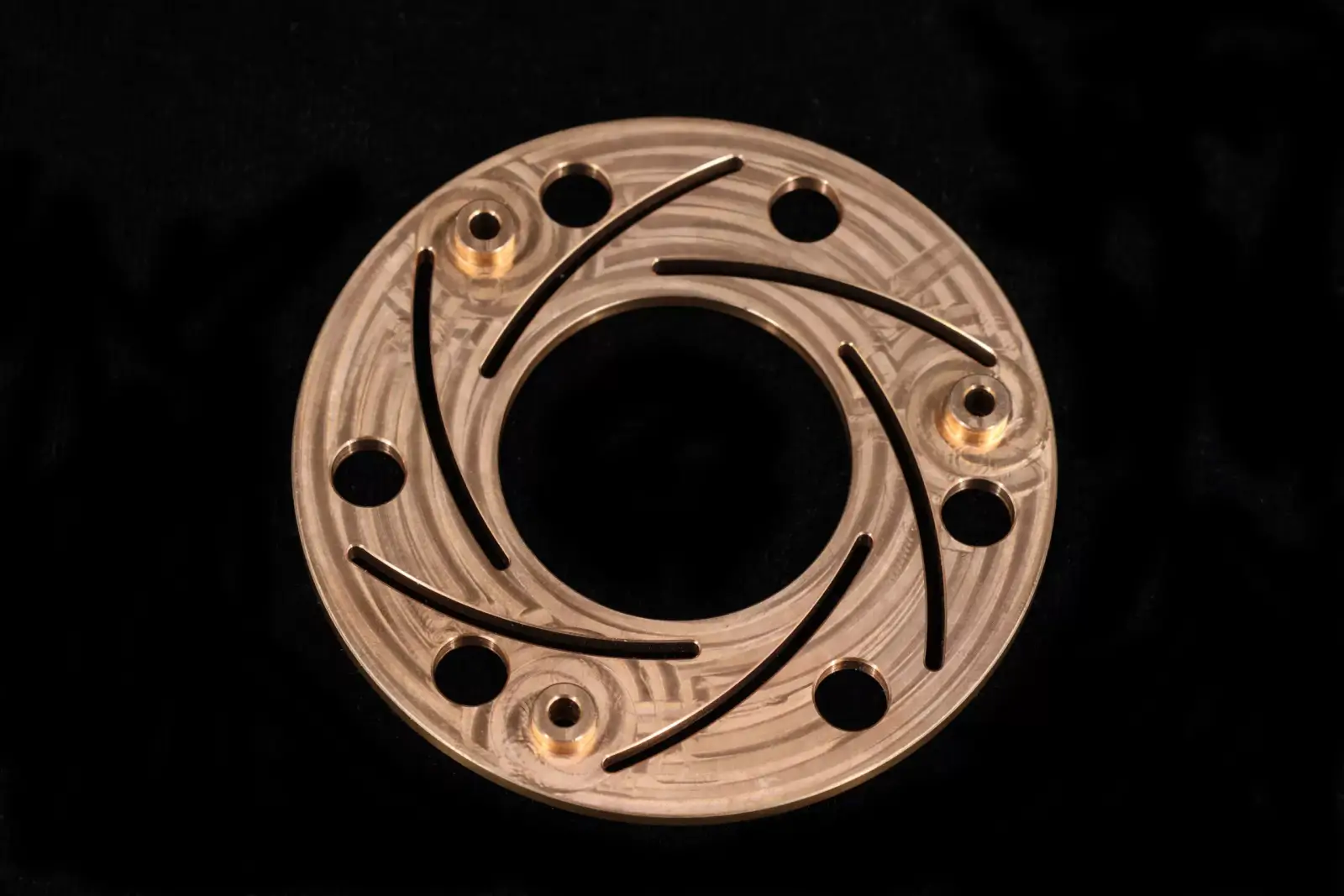
Moderately formable with corrosion resistance and a decorative finish. Ideal for hardware fittings, musical instruments, and interior design elements.
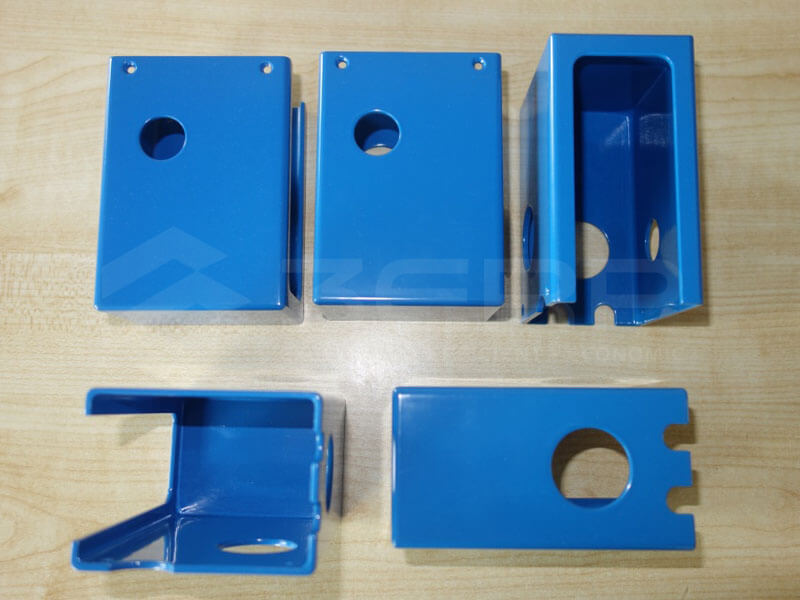
A durable, corrosion-resistant powdered paint applied to bent sheet metal parts for enhanced protection and color.
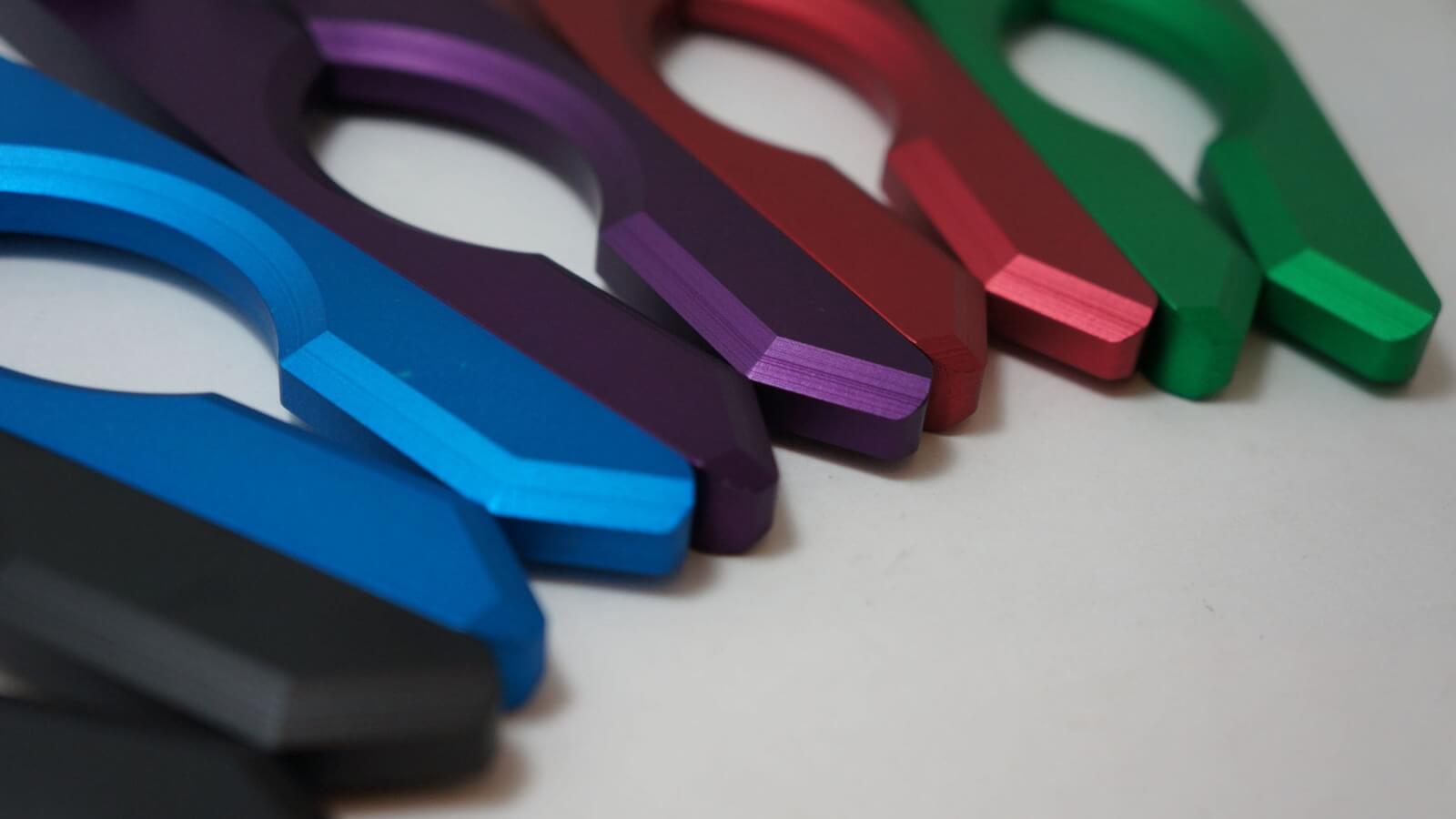
Used mainly on aluminum in sheet metal bending. Type II offers color options; Type III adds thicker, harder coatings for wear and corrosion resistance.
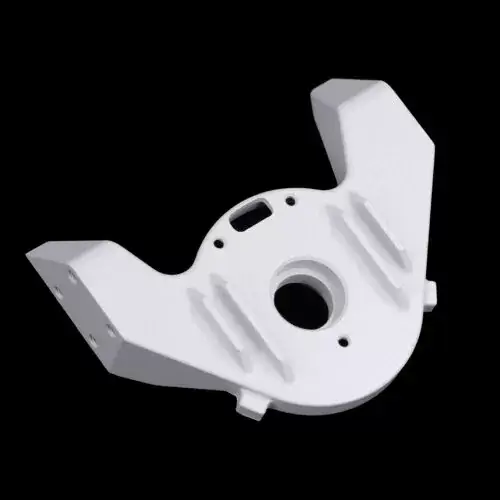
Metallic coatings like nickel or zinc improve the wear resistance of bent sheet metal components.
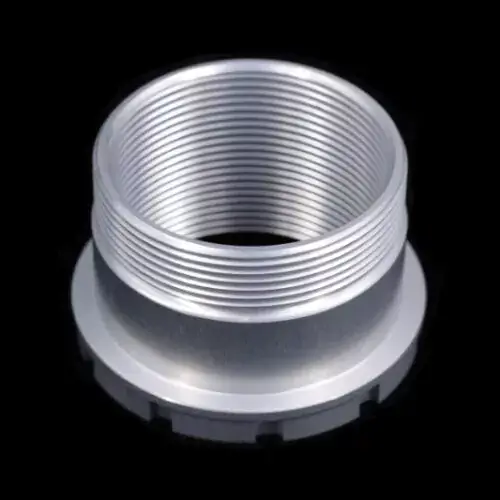
Applied after sheet metal bending to clean and texture surfaces, improving coating adhesion and a uniform matte finish.
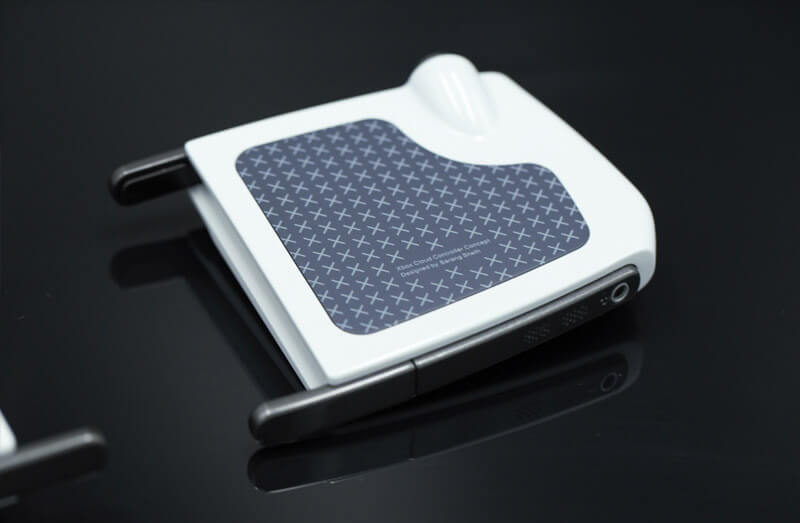
Paint enhances the look of bent sheet metal and also helps to protect it from corrosion.
See what our satisfied customers have said about how we fulfilled their requirements.
Thanks to KIXENER's 5-axis machining capabilities, we’re able to push the limits on our uprights and wheel package designs for maximum performance. Their bespoke and rapid manufacturing services allowed us to complete our project on time and ahead of schedule.
FSAE School of EngineeringMy prototype from KIXENER arrived earlier than expected with outstanding quality. Their manufacturing standards and machining precision are impressive. They provided excellent customer service and clear communication. Highly recommended.
Trent L.KIXENER delivered high-precision parts for our low-volume project with excellent lead time and competitive pricing. Communication with them was fast and helpful, and the team even provided useful design feedback. All parts worked perfectly.
Sivan S.KIXENER has been our top source for CNC parts. Even complex 5-axis CNC machining projects delivered excellent results. The team provides high-quality parts, fast production, anodizing and laser logo services, and reliable communication.
T. J.CNC sheet metal bending is a manufacturing process where sheet metal is shaped into specific angles or forms using a computer numerical control (CNC) machine. This technique allows for precise and repeatable bending, creating parts with tight tolerances and complex geometries. Compared to traditional manual bending, CNC bending services offer greater accuracy, consistency, and efficiency, especially for complex designs or high-volume production.
The bend rule in sheet metal fabrication refers to a set of guidelines and formulas used to predict how metal deforms during bending. It helps ensure that final part dimensions are accurate by accounting for factors such as bend allowance, bend radius, material thickness, and bend angle. At KIXENER, our engineering team reviews your design for manufacturability (DFM) and offers expert guidance to optimize bending results.
General tolerances in sheet metal bending refer to acceptable variations in dimensions and angles during the forming process. While exact tolerances depend on material, thickness, and machine precision, typical values are: bend angles typically within ±1° to ±2°; bend line positions and flat-to-bend distances commonly within ±0.5 mm; bend radii usually held to ±0.25 mm to ±0.5 mm; hole-to-bend spacing often controlled within ±0.5 mm; overall part dimensions ±0.2 mm to ±0.5 mm for small parts, up to ±1.0 mm for larger components.
Bending is a forming process that reshapes a single sheet into angles or curves without cutting or joining. Welding, on the other hand, is a joining process that uses heat to fuse two or more metal parts. It is excellent for constructing sturdy structures that bear heavy loads, though it might take more time and could change the metal’s surface or form because of the heat. Which one you use depends on your part’s design, strength needs, and manufacturing goals.
Metal cutting and bending are closely linked and often combined in metal fabrication. Cutting comes first. Flat sheets or plates are precisely shaped and sized using methods like laser cutting, plasma cutting, or shearing to prepare the material for bending. Once cut, the pieces are formed into specific angles or shapes by applying force with machines such as press brakes or rollers.
All information and uploads are secure and confidential.
Get Instant Quote